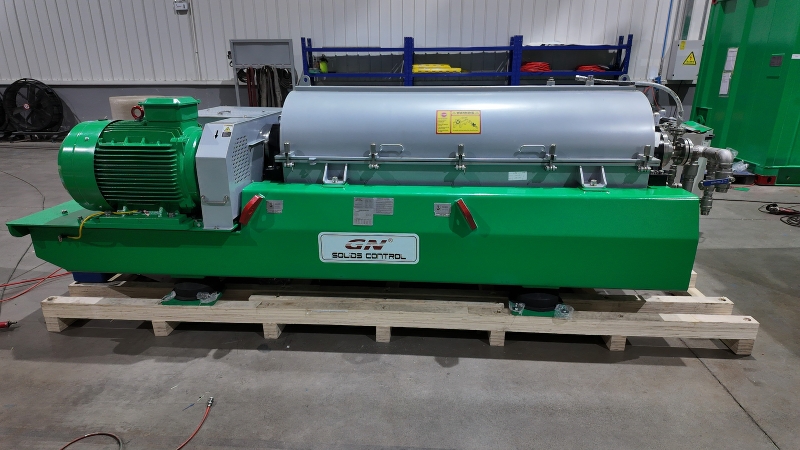
GN Decanter Centrifuge and Cuttings Dryer for Africa Drilling Company

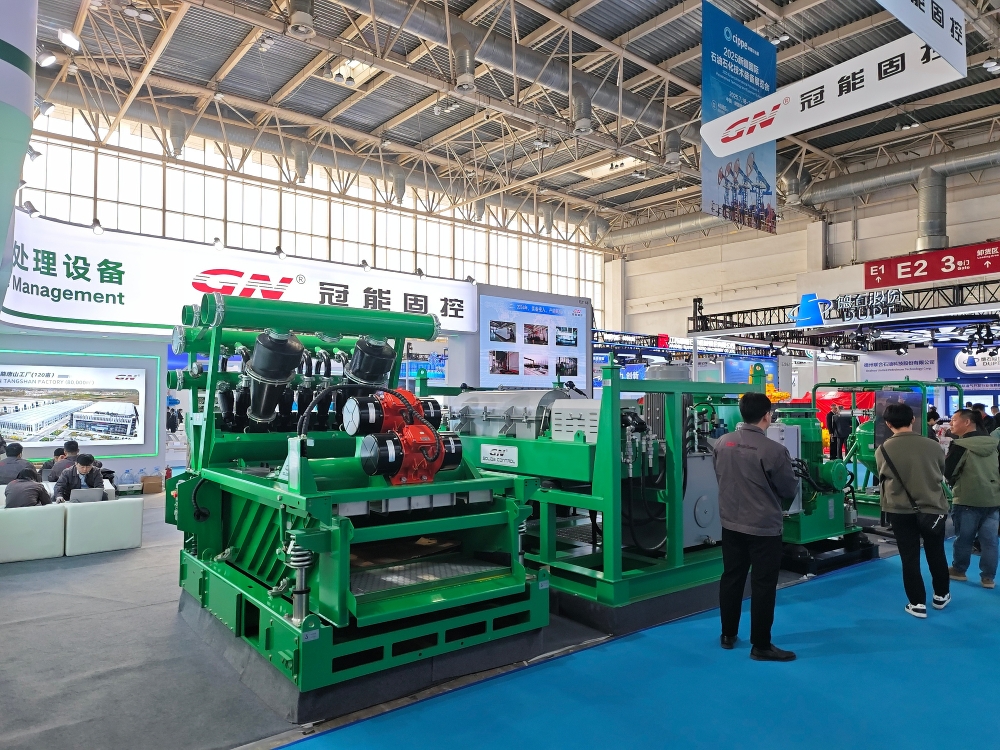
Vertical cuttings dryers and decanter centrifuges are core processing equipment used downstream of the drilling mud solids control system. After the shale shakers, desanders, desilters, and mud cleaners separate the coarse and medium solids from the drilling fluid, a significant amount of fine solids and liquid remains trapped in the drill cuttings. To meet environmental regulations, reduce drilling waste volume, and recover valuable drilling fluid, further treatment of these drill cuttings is required. Vertical cuttings dryers, together with high-speed and low-speed decanter centrifuges, play a critical role in achieving this objective.

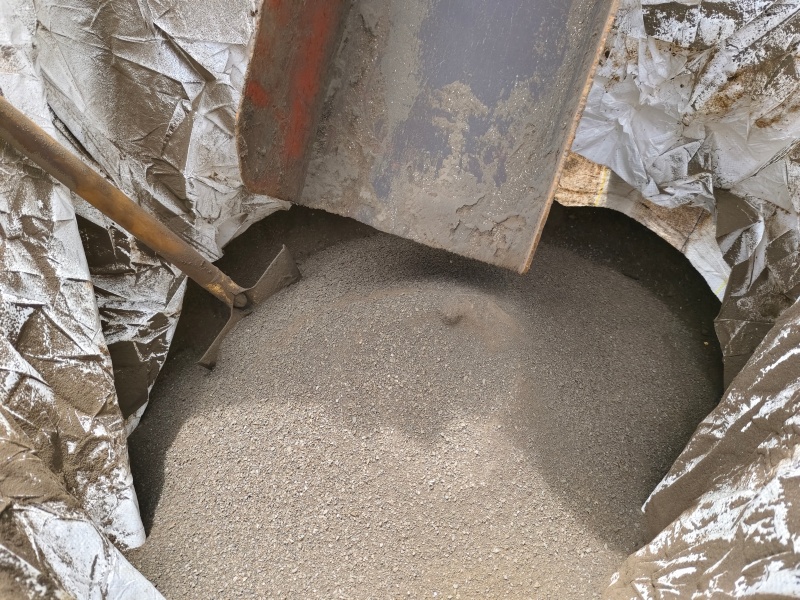
The vertical cuttings dryer is primarily designed to treat drill cuttings discharged from shale shakers when drilling with oil-based or synthetic-based mud. By utilizing high-speed centrifugal force, the dryer effectively removes residual liquid from the cuttings, significantly reducing oil-on-cuttings (OOC) and producing drier solids suitable for disposal or further handling.

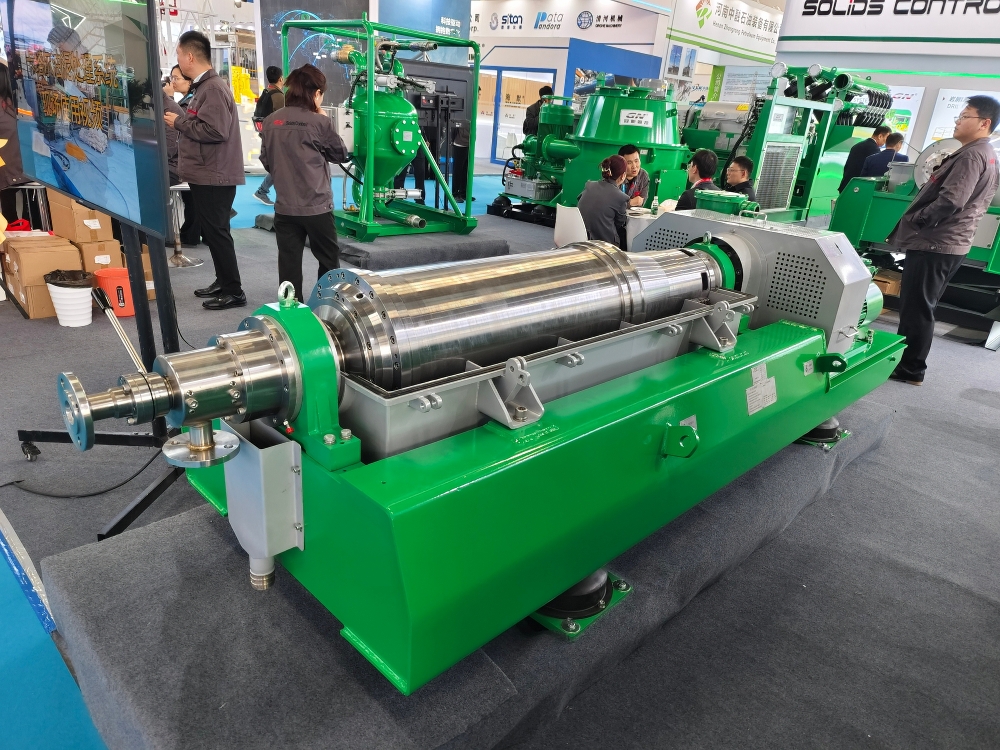
Meanwhile, decanter centrifuges are used to process the liquid phase recovered from the dryer, as well as overflow from the solids control system, enabling fine solids separation and efficient recovery of drilling fluids. High-speed centrifuges focus on ultra-fine solids removal, while low-speed centrifuges are applied for barite recovery and density control, ensuring optimal mud performance and cost efficiency.

GN Solids Control offers a complete range of high-quality vertical cuttings dryers and decanter centrifuges designed to meet the diverse technical, operational, and regulatory requirements of different markets worldwide. The equipment is engineered with robust mechanical design, wear-resistant materials, and reliable control systems to ensure stable operation in harsh drilling environments.

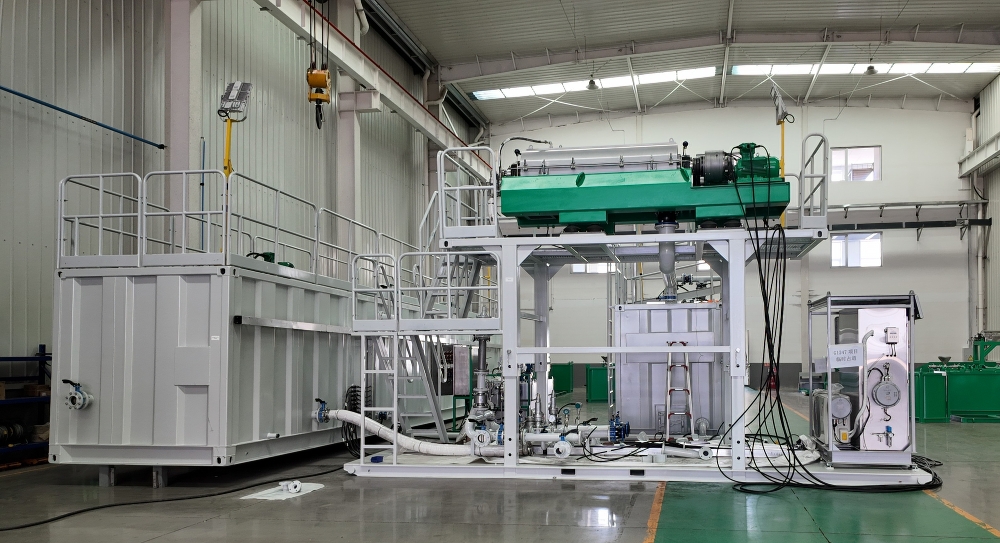
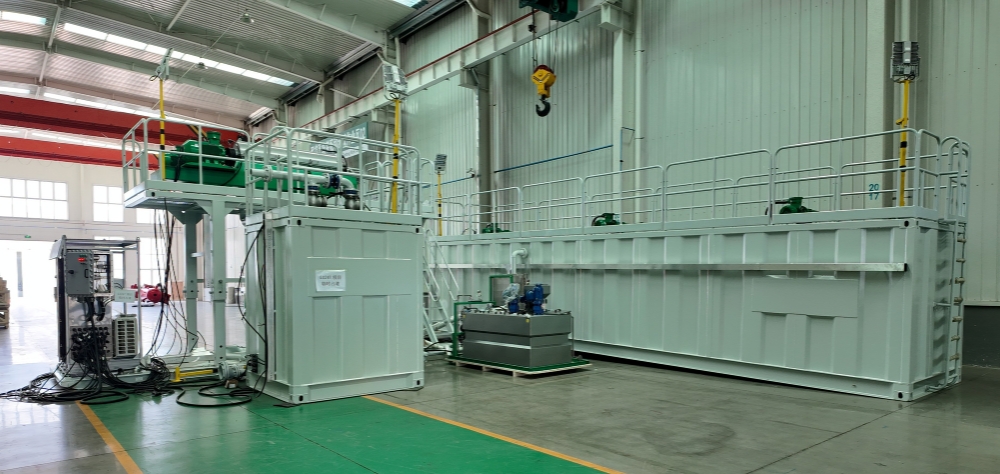
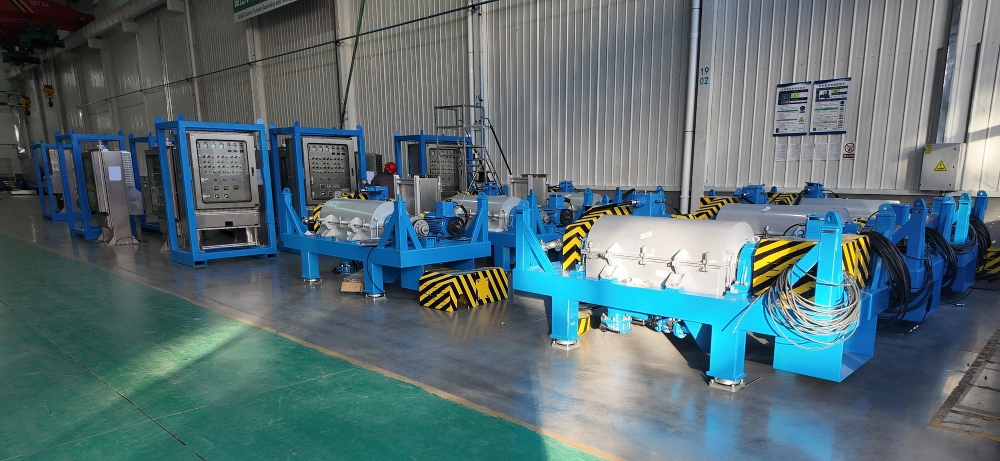
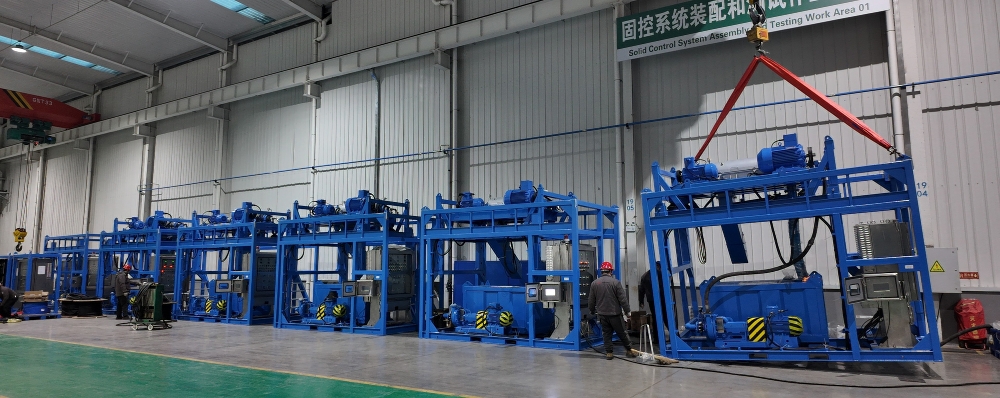
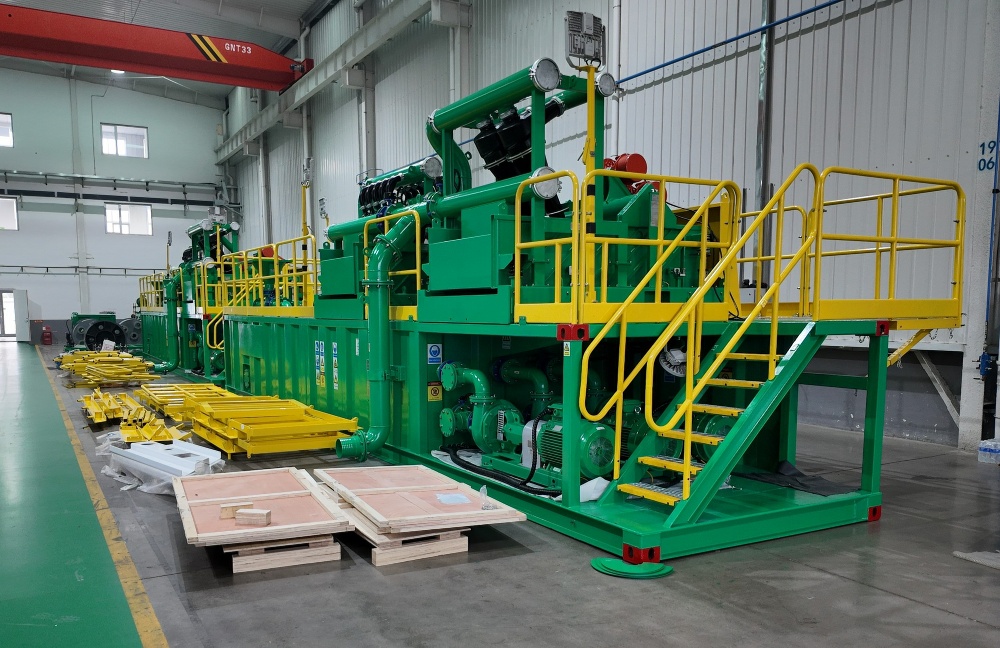
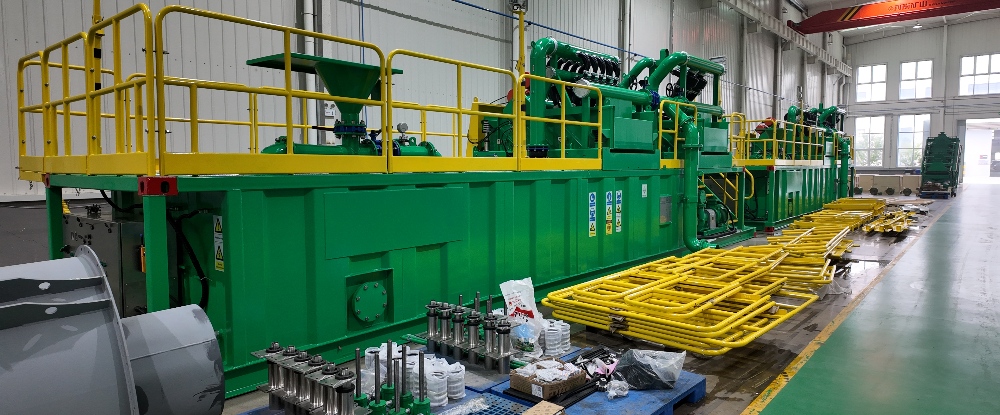
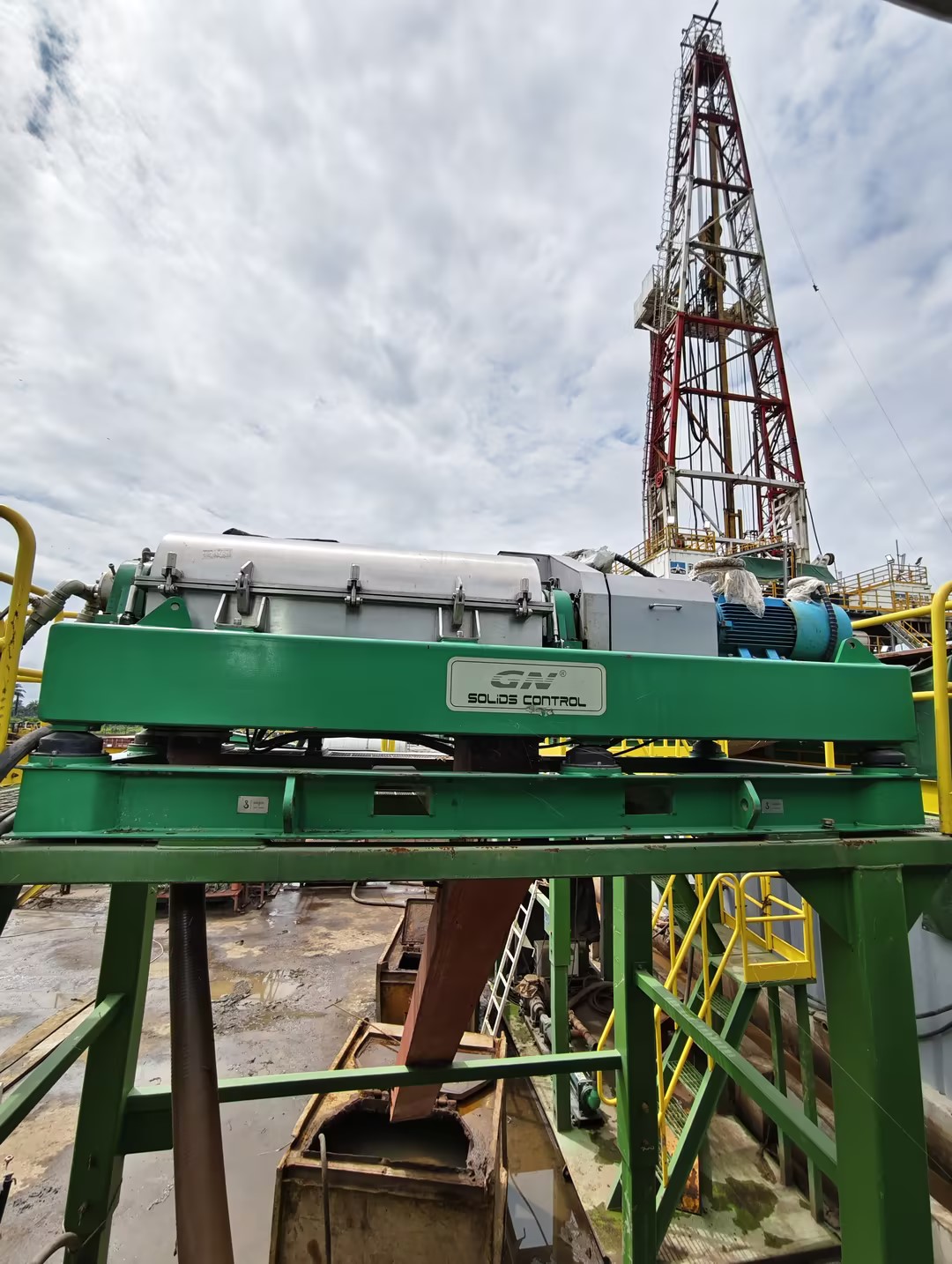
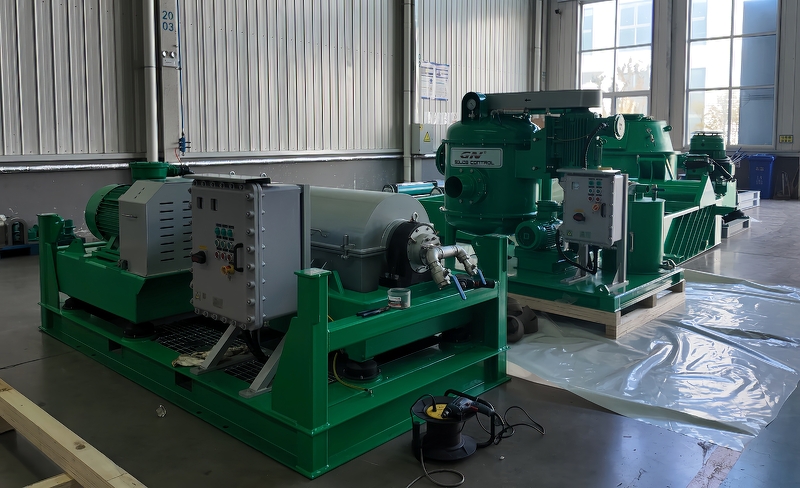
Recently, GN Solids Control successfully delivered one (1) vertical cuttings dryer model GNCD930G and two (2) variable-speed decanter centrifuges model GNLW363D-VFD to an African drilling company. The decanter centrifuges are equipped with electrical variable frequency drives (VFD), allowing precise adjustment of bowl speed and conveyor differential speed. This flexibility enables the centrifuges to adapt to various applications, including fine solids removal, barite recovery, and fluid clarification, under different mud types and operating conditions. The supplied system provides efficient cuttings treatment, reduced environmental impact, and improved overall drilling fluid management for the project.


Shale Shaker and Vacuum Degasser for 2000HP drilling rig to Europe

GN Solids Control has supplied a comprehensive suite of drilling mud solids control equipment to a European client for their 2000hp oil and gas drilling rig. This complete package is engineered to ensure efficient and reliable mud processing, which is critical for optimal rig performance.

GN Solids Control has supplied a comprehensive suite of drilling mud solids control equipment to a European client for their 2000hp oil and gas drilling rig. This complete package is engineered to ensure efficient and reliable mud processing, which is critical for optimal rig performance.

The foundation of the system is the GNZS594K High G-Force Linear Motion Shale Shaker. As the primary and most critical separation unit, its adjustable G-force offers operational versatility—delivering up to 7.5G for standard drilling mud processing and an increased 8.0G for more effective drilled cuttings treatment, ensuring optimal primary solids removal.

For advanced, multi-stage fine solids control, the system features the GNZJ594K-3S16N Mud Cleaner. This unit combines a GNZS594K shale shaker with a hydrocyclone battery comprising three 10-inch desander cones and sixteen 4-inch desilter cones. Positioned directly after the primary shakers, it meticulously removes medium and fine silt-sized particles, significantly lowering the mud’s solids content and colloidal fraction.

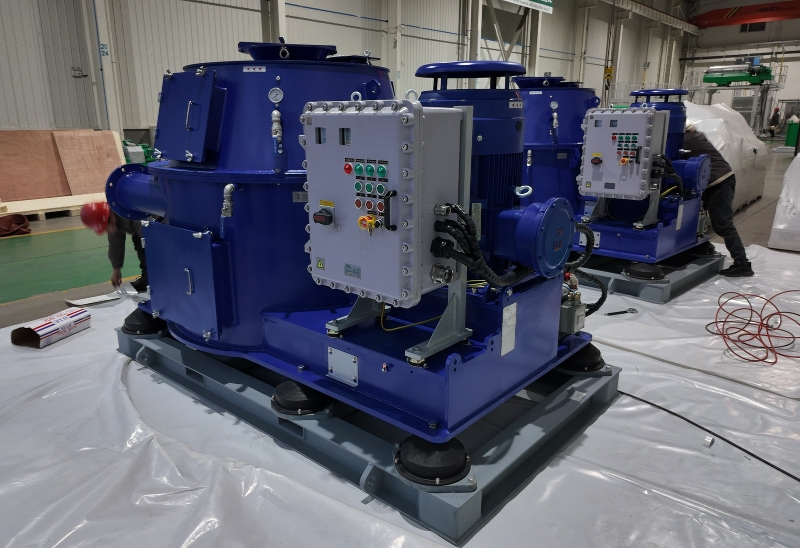
To maintain mud density and prevent pump cavitation, a GNZCQ360 Vacuum Degasser is integrated into the flow line. Capable of handling up to 1500 GPM, it efficiently strips entrained gases (such as methane or H₂S) from the mud after it passes through the preceding solids removal equipment.

The final polishing stage is achieved with the GNLW363D High-Speed Decanter Centrifuge. This critical unit performs two key functions: barite recovery to minimize costly weight material losses, and the removal of ultra-fine, low-gravity solids that cannot be separated by other equipment. This ensures the mud maintains its desired rheological and density properties for optimal drilling performance.

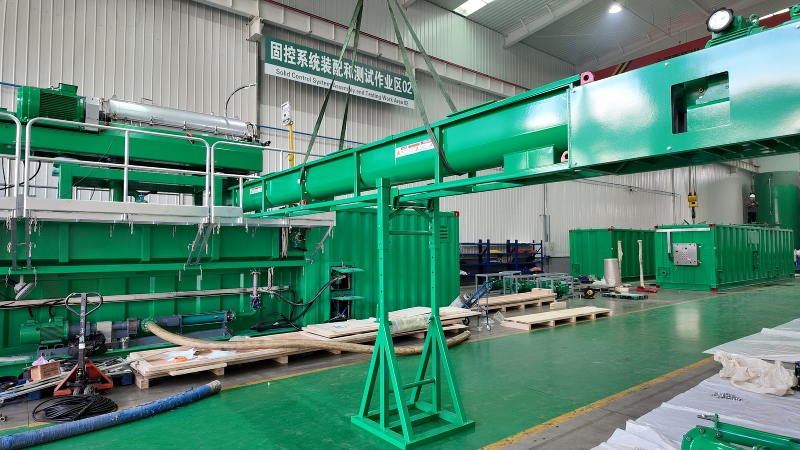
Beyond supplying this suite of processing equipment, GN Solids Control provides comprehensive full-package mud system integration capability. This includes the design and manufacture of mud tanks, the central electrical control system, all ancillary mixing and agitation units, and the complete interconnecting pipeline network—delivering a fully operational, turnkey solids control system tailored to the client’s specific rig and operational requirements.

GN Drilling Cuttings dryer and High G drying shaker for Middle East Customer

High-G drying shakers are the primary solids-control equipment used for processing water-based drilling mud. Their main function is to efficiently remove large volumes of liquid and fine solids from drill cuttings, ensuring that the drilling mud is recovered and maintained at the proper properties for reuse. By generating extremely high vibration forces, High-G shakers significantly improve the drying performance of drilled cuttings, reducing the moisture content and maximizing mud recovery.

For oil-based drilling mud, however, the most effective solution is the vertical cuttings dryer. As a key separation unit in oil-based cuttings management, the vertical cuttings dryer is specifically engineered to extract oil from the drilled solids. GN Solids Control’s GNCD930G vertical cuttings dryer is designed to achieve an Oil on Cuttings (OOC) level as low as 3%–5%, meeting stringent environmental standards while allowing valuable oil-based mud to be reclaimed and returned to the drilling system. This not only reduces waste volume and disposal cost but also significantly lowers drilling fluid consumption.

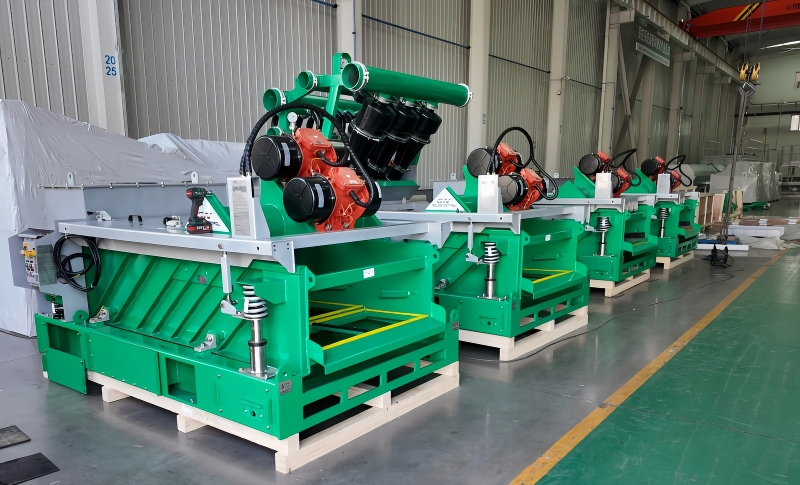
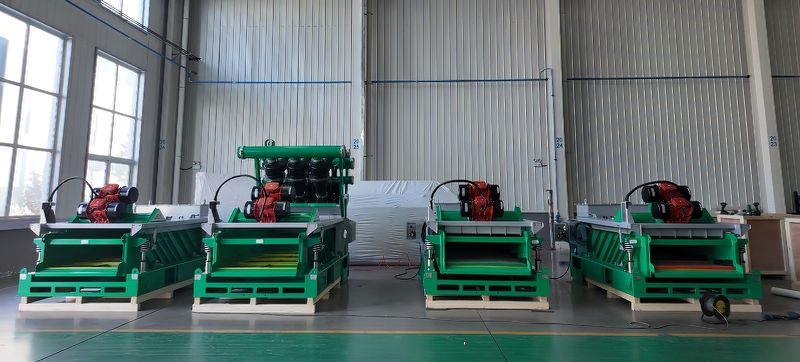
Recently, a complete package of drilling waste management equipment—including three sets of High-G drying shakers GNZS594K and two sets of vertical cuttings dryers GNCD930G—finished production and factory commissioning at the GN Solids Control manufacturing facility. After passing all performance tests and quality inspections, the equipment was prepared for shipment to a client in the Middle East.

The GNZS594K High-G drying shaker features a large screening area, a robust dual-vibration motor design, and a high-G force output, enabling excellent separation efficiency for water-based mud. Meanwhile, the GNCD930G vertical cuttings dryer incorporates advanced balance technology, high rotational speed, and a durable screen basket structure, making it suitable for continuous and stable operation in demanding oil-based drilling environments.

This carefully assembled equipment package will support the client’s drilling waste management system by enhancing mud recovery, reducing environmental impact, and improving the overall efficiency of their drilling operations. GN Solids Control continues to supply reliable, high-performance solids control and waste management equipment to major international markets, including the Middle East, where operational requirements and environmental standards are among the most rigorous in the industry.

GNLW454GT Mud Dewatering Centrifuge for Hydrovac Slurry Treatment

Hydrovac slurry is the mixture of solids, liquids, and entrained air generated during hydro-vacuum excavation operations. This non-destructive excavation technique uses high-pressure water to loosen soils and a powerful vacuum system to extract the resulting slurry. It is widely used for safe and precise digging around existing underground utilities such as electrical cables, gas pipelines, fiber-optic lines, and water networks. The extracted slurry typically contains a high concentration of solids, including soil, sand, silt, clay, gravel, and fragmented rocks.  In industrial areas or contaminated sites, the hydrovac slurry may also contain hydrocarbons, chemical residues, or other forms of subsurface contamination. Due to its complex and highly variable composition, this slurry is often classified as industrial or controlled waste. As a result, it cannot be discharged directly into municipal drainage systems, open land, or water bodies. Proper handling, transportation, and treatment are required to ensure compliance with environmental regulations and to minimize impacts on local ecosystems and infrastructure.
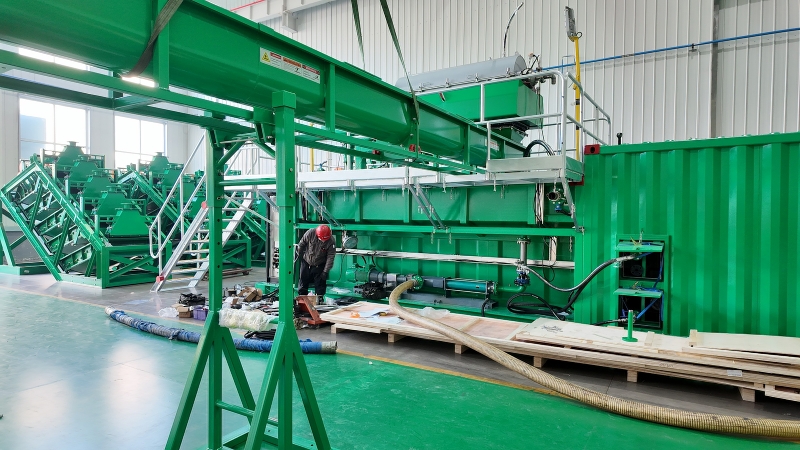
To process this material effectively, the waste slurry must be transported to a specialized treatment facility where solid–liquid separation can be carried out. Typical treatment methods include the use of coarse separation equipment, vibrating screens, drying screens, decanter centrifuges, and chemical-enhanced dewatering systems. These processes reduce the moisture content of solids, recover reusable water, and minimize the total volume of waste requiring disposal.

GN Solids Control provides a complete equipment package for hydrovac slurry treatment. The system can be configured to handle various slurry characteristics and separation requirements. GN’s solution includes a primary coarse separation shale shaker, double-deck shale shakers for fine screening, large-bowl decanter centrifuges for high-efficiency solids separation, and fully automated dewatering systems for further moisture reduction. Supporting equipment such as mud tanks, agitation systems, and slurry transfer pumps are also integrated to ensure continuous and reliable operation. This comprehensive package enables hydrovac operators and waste management companies to process excavation slurry efficiently, reduce disposal costs, and meet environmental compliance standards.

8 Packages GN Jet Mud Mixing Hopper Unit for Europe Client

The European market generally requires more stringent certifications and compliance standards compared with many other regions. To meet these demands, GN Solids Control provides equipment fully certified with CE and ATEX, ensuring safety, reliability, and conformity with EU regulations. In markets such as Australia, the requirements are even more rigorous, often involving highly detailed specifications related to design, materials, and operational safety.

Different global markets also impose unique environmental or operational demands. For example, equipment supplied for projects in Siberia must be engineered to withstand extreme cold, including heavy insulation and frost-resistant components to ensure stable performance. In contrast, equipment used in the Middle East must be built to operate reliably in extremely high temperatures—often 55°C or more—requiring heat-resistant materials, enhanced cooling systems, and robust structural design.

Because every region has its own expectations regarding certification, engineering standards, and environmental suitability, it is essential for clients to clearly specify the final destination and working conditions of the equipment before receiving a quotation and placing an order. This ensures that GN Solids Control can design, certify, and manufacture equipment precisely aligned with the regulatory and operational requirements of the target market. With extensive international experience, GN is capable of delivering customized, compliant equipment for diverse global applications.

Recently, GN Solids Control successfully delivered eight jet mud mixing units to a European client. These units were engineered in full accordance with European standards and certification requirements. Each system is equipped with a jet mixing hopper and an 8×6×14 centrifugal pump powered by a 90 kW electric motor. This configuration ensures strong mixing capability, stable performance, and long service life, making it suitable for demanding drilling fluid preparation tasks.

GN Solids Control’s ability to meet varied market demands highlights its commitment to quality, safety, and customer-specific engineering across international projects.

K Series GN Shale Shaker for Middle East Oilfield Service Company

GN Solids Control Launches K-Version Shale Shaker — Enhanced Durability and Interchangeability.

In pursuit of continuous improvement in product quality, performance, and adaptability to diverse drilling rig conditions, GN Solids Control places strong emphasis on collecting and analyzing field feedback from global users and job sites. Every piece of practical experience helps GN enhance its equipment design and material standards, ensuring better durability and reliability under the most demanding drilling operations.

Over the past decade, many long-term clients have consistently chosen GN products. To maintain compatibility and minimize downtime, GN Solids Control ensures minimal changes in equipment footprint and spare part specifications between model generations. This strategy maximizes the interchangeability of parts, allowing customers to upgrade systems without major modifications. Whenever a significant design or material upgrade occurs, GN updates the product version number for easy tracking and identification.

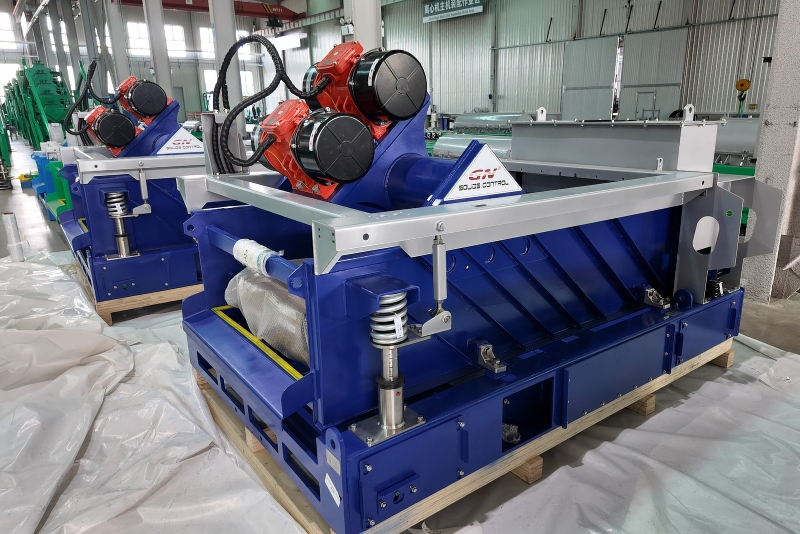
The latest generation, known as the K-Version Shale Shaker, was officially introduced in early 2024 after extensive field testing at multiple job sites in China. Before any product launch, GN ensures sufficient on-site verification to validate new designs under real drilling conditions. The K-Version shaker features a robust mechanical structure, enhanced wear resistance, and lower maintenance requirements, helping users reduce both maintenance time and operational costs.

The new design also allows flexible configuration. By adjusting the mud feed box and optimizing G-force settings, the shaker can operate as a high-G drying shaker for efficient treatment of drilling cuttings. It is powered by 1.94 kW vibration motors, providing strong linear motion for effective solids separation.

Several sets of the K-Version shale shakers and GN centrifugal pumps are now ready for shipment to clients in the Middle East. These units will soon be commissioned on various drilling rigs, marking another milestone in GN Solids Control’s ongoing mission to deliver reliable, efficient, and field-proven solids control solutions for global oil, gas, and trenchless industries.

8 Packages GN Jet Mud Mixing Hopper Unit for Europe Client

The Jet Mud Mixer consists of a mixing hopper and a centrifugal pump mounted together on a compact general skid. The components are interconnected with pipelines and valves, forming a complete and user-friendly mixing package. The design enables quick installation, easy operation, and reliable performance in demanding field environments.

GN Solids Control has recently delivered 8 sets of Jet Mud Mixing Units, designed for efficient and continuous mud mixing operations at drilling sites. The Jet Mud Mixer is an essential component of the drilling mud system, ensuring the preparation of qualified drilling fluids that meet the requirements of modern drilling operations.

The unit is primarily used to mix and prepare drilling fluids by adding bentonite, barite, polymers, and other chemical additives into the drilling mud system. Through high-speed jet flow and strong shearing action, the unit ensures full dispersion of materials, producing a homogeneous and stable drilling mud that supports effective downhole operations and wellbore stability.

Depending on the rig layout and client preferences, GN provides two installation options. The Jet Mud Mixer can be integrated directly onto the drilling mud tank system, usually installed on the mixing tank, allowing convenient control and compact operation. Alternatively, it can be supplied as a separate skid-mounted unit, offering flexible mobility for multi-rig operations or locations with limited space on the mud tanks.

GN Solids Control manufactures a full range of Jet Mud Mixing Units with different flow capacities to match various rig sizes and mud system requirements. The mixing hoppers and centrifugal pumps are available in standard and customized configurations, built with wear-resistant materials for long service life and low maintenance.

With decades of experience in solids control and mud treatment equipment, GN Solids Control continues to provide reliable and efficient solutions that improve drilling performance and reduce operational costs for clients worldwide.

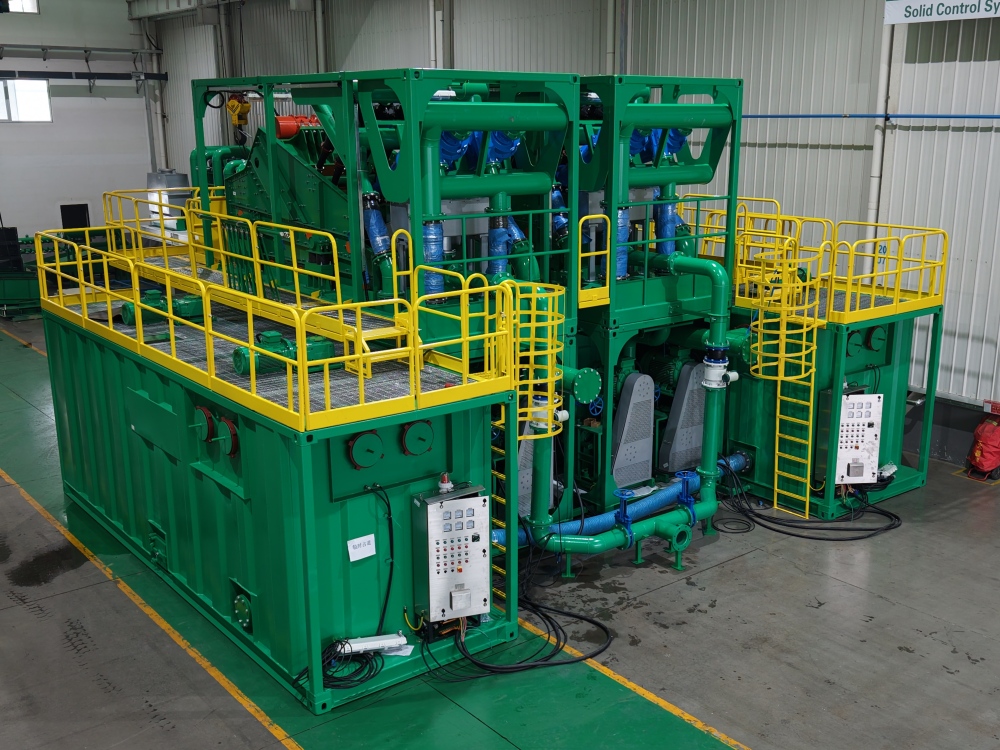
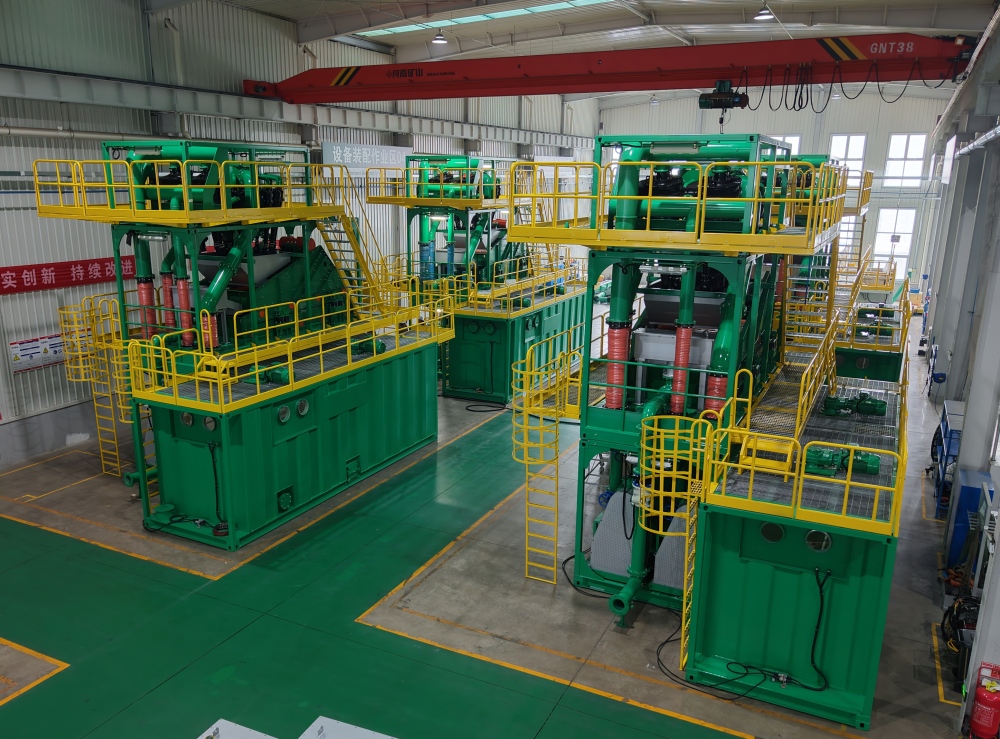
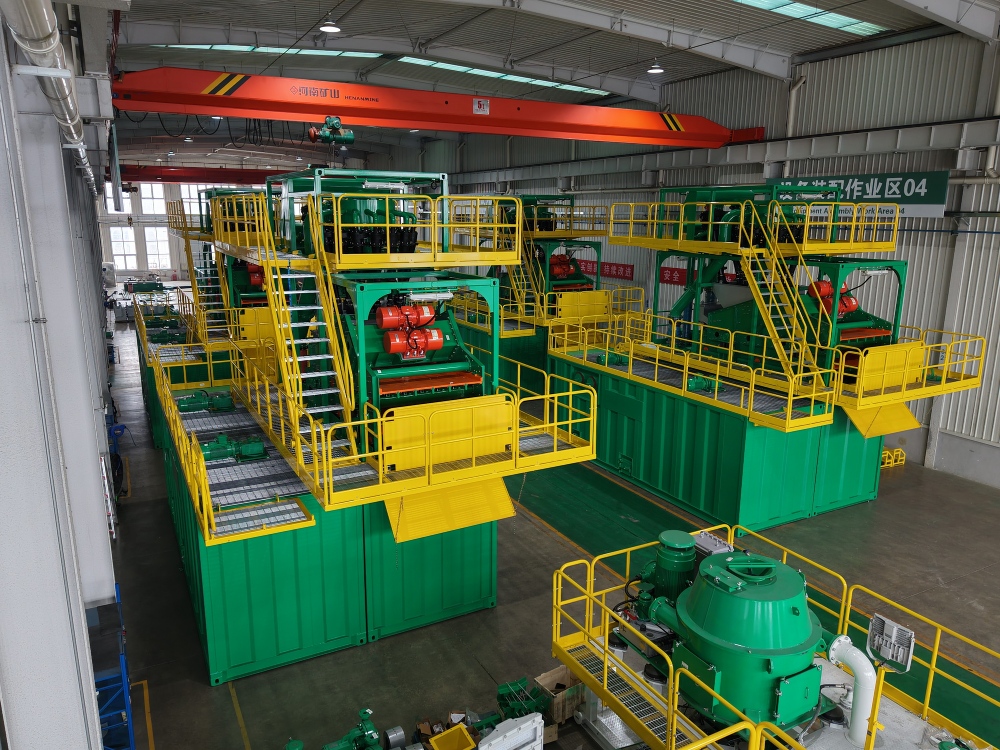
1500HP Drilling Rig Solids Control Equipment for Middle East Customer

GN Solids Control has successfully completed the manufacturing of a complete 1500 HP drilling mud solids control system, providing a full package of high-performance equipment designed to meet the demanding requirements of modern drilling operations. The system is engineered to maintain the drilling mud in optimal condition by effectively removing solids and recovering reusable fluids, ensuring efficient drilling performance and reduced operational costs.

In this project, GN Solids Control supplied three sets of shale shakers, model GNZS594K. These are linear motion shale shakers equipped with four pieces of shaker screens each, offering high vibration strength and efficient solid-liquid separation. The shakers are designed for reliability, easy maintenance, and long service life, forming the first stage of solids control in the system.

The system also includes a mud cleaner, model GNZS594K-2S12NK, with a processing capacity of 1000 GPM. This unit integrates mud cleaner desander and desilter cyclones above a GN shale shaker, providing both primary and secondary separation in one compact structure. It efficiently removes fine and ultra-fine solids, ensuring the quality of drilling fluids before recirculation.

For gas removal, the system features a vacuum degasser, model GNZCQ270, with a capacity of 1200 GPM. This self-suction vacuum degasser does not require an additional feeding pump, as it includes a built-in vacuum pump for automatic operation. It effectively eliminates gas bubbles from the drilling mud, preventing pump cavitation and maintaining stable mud density.

To complete the system, two GNLW363D decanter centrifuges are included—one operating at low speed for separating high-gravity solids and the other at high speed for fine solids removal and mud dewatering. Together, these centrifuges ensure efficient mud recovery and consistent fluid quality.

This integrated package reflects GN Solids Control’s capability to deliver reliable, field-proven solids control systems for demanding drilling environments worldwide.

High speed decanter centrifuge for Oily sludge separation

GN Solids Control provides a specialized oily sludge separation system designed to reduce waste and maximize resource recovery through a combination of heating and chemical washing. With proper chemical dosing, the system achieves efficient separation results. After treatment by the decanter centrifuge, the oil content in discharged solids is typically reduced to around 1–3%, significantly minimizing environmental impact and disposal costs.

The system also incorporates a 3-phase decanter centrifuge for oil recovery. The recovered oil typically has a BS&W (Basic Sediment and Water) content of 2–3%, making it suitable for resale to refinery companies. To ensure optimal performance, the feed material entering the 3-phase centrifuge should contain less than 10% solids and have particle sizes smaller than 2 mm. If the sludge does not meet these conditions, a 2-phase decanter centrifuge is required beforehand to pre-process the material and remove excess solids.

In addition to oil recovery, the system also handles wastewater. The water discharged from the 3-phase centrifuge generally contains 1000–3000 ppm of residual oil. This recovered water can be reused within the treatment system itself, particularly in the premixing tank. For stricter environmental compliance, clients have the option to integrate an additional water treatment unit, reducing the oil content to 50–100 ppm. Alternatively, the water can be sent to a third-party slurry treatment company for further processing.

GN Solids Control does not supply the chemicals used in the process. Clients are responsible for selecting appropriate reagents based on the characteristics of their specific waste materials.

The system offers flexible feeding methods depending on sludge condition. For highly flowable sludge, a vacuum pump can be used to transfer material directly into the system. For thicker, dryer sludge collected at the bottom of pits, it is more effective to use an excavator for mixing and then transfer the material into a premixing tank prior to separation.

By combining efficient oil recovery, solids reduction, and wastewater reuse, GN’s oily sludge separation system provides a practical and cost-effective solution for environmental waste management.

High speed and low speed decanter centrifuge for drilling mud system

The GNLW363G is a 14-inch decanter centrifuge widely applied in the oil and gas drilling industry, known for its efficiency and versatility in handling drilling fluids. GN Solids Control provides this model with three different drive options to meet varied operational needs and budget requirements: a stable fixed-speed version, a fully hydraulic drive (FHD), and a variable frequency drive (VFD) for adjustable operation. This flexibility allows drilling operators to choose the most suitable configuration based on project demands, cost considerations, and site conditions.

One of the common challenges operators face is selecting the right centrifuge speed for their specific application. The speed of a centrifuge directly influences the separation efficiency, making it a critical factor in drilling mud treatment. To address this, GN Solids Control emphasizes the importance of understanding the role of centrifuges within a complete drilling mud system.

Typically, a full drilling mud system incorporates two centrifuges working in tandem, each serving a distinct function. The first is the low-speed centrifuge, which is primarily used to recover barite. In weighted drilling fluids, barite is added to increase mud density. By operating at a lower speed, this centrifuge selectively recovers barite particles from the mud, helping to maintain the required density while reducing mud weight and cutting down on material costs.

The second is the high-speed centrifuge, which becomes essential after the drilling system has been in circulation for a period of time. During extended operations, ultra-fine solids gradually accumulate in the drilling fluid. These particles are too fine to be removed by hydrocyclones. The high-speed centrifuge is specifically designed to remove these ultra-fine solids, preventing the mud weight from rising uncontrollably. The solids separated at this stage are discharged as waste, while the cleaned fluid is returned to the system for reuse.

By employing both low-speed and high-speed centrifuges, operators achieve optimal drilling fluid management. The GNLW363G, with its range of drive options and reliable design, provides a comprehensive solution for efficient solids control, improved mud quality, and cost-effective drilling operations.